


Are you struggling with erosion on your property? Riprap offers a robust solution for effective sediment control on slopes and in trenches. This article will explore the benefits of riprap, its ideal applications, and how to select and install the right materials for your needs. You’ll learn how riprap can protect your land from erosion, even in areas with fish habitats, and why it’s often preferred over alternatives like silt fences. By the end, you’ll have the knowledge to make an informed decision about using riprap for your erosion control project.

Key Takeaways
- Riprap is an effective erosion control method using rock layers to protect soil from water erosion
- Proper installation and maintenance of riprap ensure long-term stability and cost-effectiveness for erosion control
- Riprap offers eco-friendly benefits, enhancing aesthetics while protecting against soil loss and managing stormwater runoff
- Regular inspections and prompt repairs are crucial for maintaining the effectiveness of riprap erosion control systems
- Professional assistance may be necessary for complex erosion issues or significant damage to riprap installations
Understanding Riprap for Effective Erosion Control
Riprap is a powerful erosion control method you can use to protect your yard, seawall, or sloping land. This section explores the definition and purpose of riprap, how it effectively prevents soil erosion, and the common materials used, including sand and rock. You’ll learn why riprap is often preferred over alternatives like sod or fiber-based solutions for long-term erosion control.
Defining Riprap and Its Purpose
Riprap is a specialized erosion control technique that uses a layer of rock or other materials to protect soil from water erosion. You’ll find it particularly effective in areas prone to wave action, such as shorelines, or in locations with steep slopes and heavy drainage. Riprap not only safeguards against soil loss but also enhances the aesthetics of your landscape.
The purpose of riprap extends beyond mere erosion control. It helps stabilize tree roots in vulnerable areas, prevents undercutting of structures, and manages water flow in drainage channels. You can source riprap materials from local quarries, ensuring a cost-effective and environmentally friendly solution for your erosion control needs.
How Riprap Prevents Soil Erosion
Riprap prevents soil erosion by creating a protective barrier between water and soil. When you install riprap, you’re building a wall that absorbs and dissipates the energy of flowing water or waves. This protective layer shields the underlying soil from direct contact with erosive forces, preventing the foundation of your property from being washed away.
The effectiveness of riprap in soil conservation lies in its structure and composition. You can use various materials like cement-bonded rocks or interlocking stones to create a stable, permeable surface. This allows water to filter through while retaining soil particles. The irregular surfaces of riprap materials also help to slow down water flow, reducing its erosive power. Here’s how riprap contributes to effective erosion control:
- Dissipates water energy
- Stabilizes slopes and shorelines
- Protects foundations and structures
- Enhances drainage management
- Provides long-lasting soil retention
Common Materials Used in Riprap
When selecting materials for your riprap project, you’ll find a variety of options to suit your landscape and erosion control needs. Limestone is a popular choice due to its durability and natural appearance, blending seamlessly with your surroundings while providing robust protection for your property’s bulkhead or fence line. Natural resources like locally sourced rock can also be an eco-friendly and cost-effective solution for your riprap installation.
You might also consider using recycled concrete or quarry stone for your riprap project, as these materials offer excellent erosion control properties while supporting sustainable practices. Granite is another durable option for high-impact areas. When designing your riprap system, remember to factor in the size and weight of the materials to ensure they can withstand the water flow and prevent soil erosion effectively. Properly chosen riprap materials will not only protect your landscape but also enhance its visual appeal.
Benefits of Choosing Riprap for Your Property
Choosing riprap for your property offers multiple benefits. It enhances durability and stability, providing a cost-effective solution for erosion control. Riprap’s eco-friendly nature helps protect soil and manage stormwater runoff. Additionally, its natural stone appearance improves aesthetics while effectively combating bank erosion and safeguarding tree roots from gravity-induced soil movement.
Enhancing Durability and Stability
Riprap significantly enhances the durability and stability of your property’s vulnerable areas. By installing a geotextile layer beneath the riprap, you create a robust barrier against surface runoff and soil erosion. This combination effectively protects your land from water damage, ensuring long-term stability for structures like levees and shorelines.
Concrete riprap offers exceptional durability in high-stress environments. Its ability to withstand intense water flow while maintaining water quality makes it an ideal choice for areas prone to severe erosion. You’ll find that properly installed riprap not only stabilizes your property but also reduces maintenance costs over time:
| Riprap Feature | Benefit |
|---|---|
| Geotextile layer | Prevents soil erosion and enhances stability |
| Concrete composition | Provides long-lasting durability in high-stress areas |
| Water flow management | Reduces erosion and maintains water quality |
| Low maintenance | Decreases long-term property care costs |
Cost-Effectiveness Over Alternative Solutions
When you choose riprap for erosion control, you’ll find it’s more cost-effective than alternatives like vegetation or retaining walls. Riprap withstands heavy rain and foot traffic, requiring less maintenance and replacement over time. This durability translates to long-term savings for your property management.
Riprap’s energy-dissipating properties make it an efficient solution for various terrains. You can install it quickly, reducing labor costs compared to building complex retaining wall systems. Its adaptability to different landscapes also means you can use riprap in areas where other solutions might fail, saving you money on repeated erosion control attempts.
Eco-Friendly Erosion Control
When you choose riprap for erosion control, you’re selecting an environmentally friendly solution. Riprap prevents waste by minimizing soil loss and reduces the need for frequent ditch maintenance. This eco-conscious approach helps preserve natural habitats and water quality in your area. Unlike some erosion control methods, riprap doesn’t degrade into organic matter that could pollute waterways or harm the natural environment.
By contracting a professional riprap installation, you ensure proper placement that maximizes erosion protection while minimizing environmental impact. Riprap’s ability to filter runoff and stabilize soil makes it an excellent choice for those seeking a sustainable erosion control method. Consider the following benefits of riprap as an eco-friendly solution:
| Eco-Friendly Aspect | Benefit |
|---|---|
| Natural materials | Blends with surroundings |
| Soil retention | Prevents sediment pollution and water pollution |
| Water filtration | Improves runoff quality |
| Durability | Reduces replacement frequency |
Improving Aesthetics With Natural Stone
When you choose riprap with natural stone, you enhance your property’s visual appeal while effectively controlling erosion. The variety of colors and textures in natural stone creates a pleasing aesthetic that blends seamlessly with your landscape. You’ll appreciate how the riprap mimics natural river formations, softening the appearance of engineered structures like inlets and reducing water velocity.
Natural stone riprap offers versatility in design, allowing you to customize the look of your erosion control solution. You can select stones that complement your existing landscaping or architectural style, creating a cohesive appearance. The durability of natural stone ensures your riprap maintains its aesthetic value even when subjected to the weight of heavy equipment like trucks or steel machinery during maintenance or construction activities.
Ideal Applications for Riprap
Riprap offers versatile erosion control solutions for various landscapes. You’ll find it effective in protecting shorelines, securing riverbanks, stabilizing slopes, and integrating with stormwater management systems. From coastal areas to inland berms, riprap combats soil erosion caused by water and ice. Its adaptability makes it ideal for safeguarding storm drains and mitigating the impact of river currents on vulnerable terrain.
Protecting Shorelines and Coastal Areas
You’ll find riprap particularly effective in protecting shorelines and coastal areas from erosion. By placing riprap rock along the water’s edge, you create a barrier that absorbs wave energy and prevents sediment loss. This technique works well for both natural coastlines and man-made structures like ponds, where the weight of the rocks helps stabilize the shoreline against water movement.
When installing riprap in coastal areas, consider using a clay base to enhance stability and prevent undermining. The combination of riprap and clay creates a robust defense against erosion, especially in areas with high wave action or tidal fluctuations. You’ll appreciate how this method not only protects your property but also helps maintain the natural ecosystem by reducing sediment runoff into water bodies.
Securing Riverbanks and Streambeds
When securing riverbanks and streambeds, riprap offers a robust solution that outperforms alternatives like coir logs or gabion baskets. You’ll find that strategically placed riprap effectively dissipates water energy, preventing erosion around critical infrastructure such as pipes and culverts. This method not only protects your property but also creates habitats for local wildlife, enhancing the ecological value of your waterways.
To maximize the effectiveness of riprap in riverbank stabilization, consider combining it with vegetation. You can install riprap at the base of the bank to combat erosion, while planting native species above it. This approach provides long-term stability and improves the aesthetic appeal of your riverbank. Here’s a comparison of riprap with other erosion control methods:
| Method | Durability | Eco-Friendliness | Cost-Effectiveness |
|---|---|---|---|
| Riprap | High | Moderate to High | High |
| Coir Logs | Low to Moderate | High | Moderate |
| Gabion Baskets | High | Moderate | Moderate |
Stabilizing Slopes and Embankments
When stabilizing slopes and embankments, riprap proves highly effective for erosion control. You’ll find it particularly useful in areas prone to stream erosion or coastal degradation. By strategically placing riprap along vulnerable slopes, you create a robust barrier that prevents soil loss and protects the surrounding ecosystem from excessive sedimentation.
Riprap’s versatility allows you to tailor solutions for various slope gradients and soil types. Whether you’re dealing with a steep hillside or a gentle coastal incline, riprap can be customized to meet your specific erosion control needs. Its ability to filter silt and sediment also helps maintain water quality in nearby streams and coastal areas. Consider these key benefits of using riprap for slope stabilization:
- Prevents soil erosion on steep gradients
- Protects against stream bank undercutting
- Reduces sedimentation in water bodies
- Adapts to various slope angles and soil conditions
- Enhances long-term stability of embankments
Integrating With Stormwater Management Systems
When integrating riprap with stormwater management systems, you’ll find it effectively protects dams and roads from erosion caused by heavy water flow. The rock structure dissipates energy, reducing the impact of runoff on your infrastructure. By strategically placing riprap around culverts and drainage channels, you create a robust defense against soil erosion and sedimentation.
Riprap also enhances the functionality of bioretention areas and rain gardens in your stormwater system. You can use smaller riprap sizes to create natural-looking transitions between planted areas and water features. This approach not only controls erosion but also provides a stable environment for plant growth and seed establishment, improving the overall effectiveness of your stormwater management efforts.
- Protects dams and roads from water erosion
- Stabilizes culverts and drainage channels
- Enhances bioretention areas and rain gardens
- Supports plant growth in stormwater systems
- Reduces sedimentation in water features
Selecting the Right Riprap for Your Needs
Selecting the right riprap for your erosion control project involves assessing site-specific requirements, choosing appropriate stone sizes and types, consulting with experts, and planning for maintenance. Consider factors like water flow, slope, and environmental impact. The United States Army Corps of Engineers provides guidelines for riprap selection in lakes and waterways, helping you prevent pollution and ensure long-term effectiveness.
Assessing Site-Specific Requirements
When assessing site-specific requirements for your riprap project, consider the unique characteristics of your property, including channel dimensions, bridge proximity, and construction needs. Evaluate the slope, water flow, and soil type to determine the appropriate riprap size and placement. You’ll need to account for factors like wave action, ice formation, and potential impacts on existing structures to ensure effective erosion control.
Don’t overlook temporary erosion control measures during the assessment phase. While straw and mulch can provide short-term protection, they may not suffice for long-term stability in high-stress areas. By thoroughly evaluating your site’s specific needs, you’ll be better equipped to select the right riprap solution that balances durability, cost-effectiveness, and environmental considerations.
Choosing Appropriate Stone Sizes and Types
When choosing appropriate stone sizes and types for your riprap project, proper sizing is critical to success. Consider the specific challenges of coastal erosion and the riparian zone. You’ll need to select stones that can withstand the forces of water and anchor effectively to prevent displacement. For areas near culverts or in habitats with sensitive ecosystems, opt for rounded stones that mimic natural river rock to support local wildlife.
The size of your riprap stones directly impacts their effectiveness in erosion control. Use larger stones for high-energy areas prone to strong waves or currents, while smaller sizes work well for gentler slopes. Consider the following table for guidance on stone sizes based on different erosion control scenarios:
| Erosion Scenario | Recommended Stone Size | Benefits |
|---|---|---|
| Coastal Areas | 12-24 inches | Withstands wave action |
| River Banks | 6-18 inches | Stabilizes riparian zones |
| Culvert Protection | 4-12 inches | Prevents undercutting |
| Habitat Enhancement | Mixed sizes | Supports diverse wildlife |
Consulting With Erosion Control Experts
When consulting with erosion control experts, you’ll gain valuable insights into managing flood risks and selecting the appropriate riprap for your stream bed. These professionals can assess the elevation and force of water flow, helping you determine the optimal stone size and placement to withstand wind and water erosion. Their expertise ensures your riprap installation effectively protects your property while considering environmental factors.
Experts can also guide you in understanding how riprap interacts with existing structures and vegetation. They’ll provide recommendations on integrating riprap with other erosion control methods, such as vegetation or geotextiles, to create a comprehensive solution. By leveraging their knowledge, you’ll be better equipped to make informed decisions about your erosion control project:
| Expert Consultation Benefit | Impact on Riprap Selection |
|---|---|
| Site-specific assessment | Tailored riprap size and type |
| Flood risk analysis | Appropriate riprap placement |
| Environmental considerations | Eco-friendly riprap solutions |
| Integration with existing structures | Comprehensive erosion control |
Planning for Future Maintenance
When planning for future maintenance of your riprap installation, consider incorporating regular inspections into your erosion control strategy. You’ll want to schedule annual checks to assess the stability of the stones and identify any areas that may require reinforcement. By proactively addressing potential issues, you can extend the lifespan of your riprap and maintain its effectiveness in protecting your property from erosion.
To simplify long-term maintenance, implement a documentation system that tracks the condition of your riprap over time. You should record any changes in stone placement, signs of erosion, or vegetation growth within the riprap. This data will help you anticipate maintenance needs and make informed decisions about when to perform repairs or upgrades, ensuring your erosion control measures remain robust and cost-effective.
Installation Guidelines for Optimal Performance
To ensure optimal performance of your riprap erosion control, follow these installation guidelines. You’ll learn how to prepare the site effectively, use proper placement techniques, incorporate geotextiles for added stability, and prioritize safety during installation. These steps will help you achieve a durable and effective riprap solution for your property.
Preparing the Site Effectively
To prepare your site effectively for riprap installation, start by clearing the area of debris, vegetation, and loose soil. You’ll need to excavate the site to create a stable foundation, ensuring the slope is graded properly to support the riprap. This preparation is crucial for preventing future erosion and ensuring your riprap remains in place.
Next, compact the soil to create a firm base for your riprap. You may need to add a layer of gravel or crushed stone to improve drainage and stability. By taking these preparatory steps, you’ll create an ideal surface for your riprap installation, maximizing its effectiveness in controlling erosion on your property.
Proper Placement Techniques
When placing riprap, start at the base of the slope and work your way up. You should position larger stones at the bottom to create a stable foundation, gradually using smaller stones as you progress upward. Ensure each piece interlocks with surrounding stones to prevent shifting and maximize erosion protection.
Pay close attention to the arrangement of riprap around critical areas such as culverts or drainage outlets. You need to create a smooth transition from these structures to the riprap to prevent water from undercutting the installation. Properly placed riprap will dissipate water energy effectively, reducing erosion and protecting your property’s vulnerable areas.
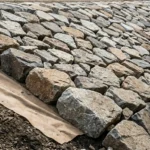
Using Geotextiles for Added Stability
When installing riprap, using geotextiles adds significant stability to your erosion control system. You’ll want to lay a geotextile fabric beneath the riprap to prevent soil migration and enhance the structure’s longevity. This fabric acts as a barrier, allowing water to filter through while retaining soil particles, which is crucial for maintaining the integrity of your slope or embankment.
To ensure optimal performance, select a geotextile fabric appropriate for your soil type and water flow conditions. You’ll need to secure the fabric properly, overlapping seams and anchoring edges to prevent shifting. By incorporating geotextiles into your riprap installation, you create a more robust erosion control solution that can withstand severe weather events and protect your property for years to come.
- Choose appropriate geotextile for soil and water conditions
- Lay fabric before placing riprap
- Secure edges and overlap seams
- Ensure proper drainage while retaining soil
Safety Considerations During Installation
When installing riprap, prioritize safety to prevent accidents and ensure a successful project. Wear appropriate personal protective equipment, including hard hats, safety glasses, and steel-toed boots. You should also use heavy machinery cautiously, maintaining clear communication with team members to avoid incidents during the placement of large stones.
Be mindful of the terrain and weather conditions during installation. Wet or unstable slopes can pose significant risks, so assess the site carefully before proceeding. You’ll need to implement proper erosion control measures to protect workers and the environment during the installation process. Consider the following safety precautions:
- Conduct a thorough site assessment before beginning work
- Establish clear communication protocols among team members
- Use proper lifting techniques when handling riprap materials
- Implement temporary erosion control measures during installation
- Monitor weather conditions and adjust work schedules accordingly
Maintaining Your Riprap Erosion Control System
To maintain your riprap erosion control system effectively, you’ll need to perform routine inspections, identify and repair damage promptly, implement long-term care strategies, and know when to seek professional assistance. Regular maintenance ensures your riprap continues to protect your property from erosion, preserving its effectiveness and extending its lifespan.
Routine Inspection Tips
To maintain your riprap erosion control system effectively, conduct routine inspections at least twice a year. You should check for displaced stones, signs of erosion beneath the riprap, and any accumulation of debris. Pay special attention to areas around culverts, drains, and other water outlets where erosion is more likely to occur.
During your inspections, look for vegetation growth that may compromise the riprap’s integrity. While some plant life can enhance stability, excessive growth can displace stones and create weak points. Document your findings with photos and notes to track changes over time and plan necessary maintenance:
| Inspection Area | What to Look For | Action Required |
|---|---|---|
| Stone Placement | Displaced or missing rocks | Reposition or replace stones |
| Underlying Soil | Signs of erosion or washout | Add filter fabric and new riprap |
| Drainage Points | Debris accumulation | Clear obstructions |
| Vegetation | Excessive growth | Remove or trim as needed |
Identifying and Repairing Damage
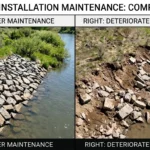
When identifying damage to your riprap erosion control system, look for signs of displacement, undercutting, or voids between stones. You’ll want to pay close attention to areas where water flow is concentrated, as these are most susceptible to erosion. Check for exposed filter fabric or soil beneath the riprap, which indicates potential failure points in your erosion control system.
To repair damaged riprap, start by removing any dislodged stones and clearing debris from the affected area. You’ll need to address the underlying cause of the damage, which may involve regrading the slope or improving drainage. Once you’ve prepared the site, carefully replace the riprap, ensuring proper interlocking and stability. Consider adding larger stones in high-stress areas to enhance the system’s resilience against future erosion.
Long-Term Care Strategies
To ensure the long-term effectiveness of your riprap erosion control system, implement a regular maintenance schedule. You should conduct thorough inspections at least twice a year, ideally after major storms or seasonal changes. During these checks, assess the overall stability of the riprap, looking for signs of displacement or erosion beneath the stones.
Incorporate vegetation management into your long-term care strategy. While some plant growth can enhance riprap stability, excessive vegetation can disrupt the structure. You’ll need to strike a balance, removing invasive species and trimming overgrowth without disturbing the riprap’s integrity. Consider the following long-term care strategies:
- Schedule bi-annual comprehensive inspections
- Monitor and manage vegetation growth
- Document changes and repairs for future reference
- Adjust riprap as needed to maintain optimal performance
- Address drainage issues promptly to prevent undermining
When to Seek Professional Assistance
When you notice significant erosion, large-scale displacement of riprap, or persistent drainage issues, it’s time to seek professional assistance. You should also consult experts if you’re planning major landscape changes that could affect your riprap system. Professional assessment can identify underlying problems and provide solutions that extend beyond surface-level repairs.
Consider contacting erosion control specialists if your property faces severe weather events or if you’re unsure about the long-term stability of your riprap installation. Professionals can offer advanced techniques and equipment to address complex erosion issues, ensuring your property remains protected. Here’s a guide to help you determine when expert help is necessary:
| Situation | Signs to Look For | Professional Service Needed |
|---|---|---|
| Significant Erosion | Large soil loss, exposed foundations | Comprehensive site assessment |
| Riprap Displacement | Gaps in coverage, scattered stones | Riprap reinstallation |
| Drainage Issues | Standing water, soil saturation | Drainage system redesign |
| Severe Weather Damage | Washouts, structural damage | Emergency repair and reinforcement |
Ready to Protect Your Property?
Riprap is a versatile and effective solution for erosion control. It offers durability, cost-effectiveness, and genuine eco-friendly benefits for various applications. From protecting shorelines and stabilizing slopes to integrating with stormwater management systems, riprap provides robust protection against soil erosion while enhancing your landscape.
Whether you’re dealing with coastal erosion, slope instability, or drainage challenges in Western Kentucky, Supreme Enterprises LLC has the expertise to help you implement the right riprap solution. With over 20 years of experience in excavation and drainage services, our team understands the unique erosion control needs of properties throughout the region.
Don’t let erosion damage your valuable property. Call (270) 205-4108 today to schedule your professional consultation, or visit our contact page to learn more about our comprehensive erosion control services.


